
RE-PLAY PROJECT
The transition from linear to circular manufacturing is no longer a future ambition it is an urgent necessity. Across Europe, industries are facing increasing pressure to reduce waste, improve resource efficiency, and comply with emerging sustainability regulations. Within this context, the RE-PLAY project emerges as a practical and scalable response to one of the key challenges in the manufacturing sector: how to effectively close the loop of materials through data-driven circular value chains.
Understanding the context: why circular manufacturing matters
Traditional manufacturing models follow a linear approach—produce, use, and dispose. This model has led to significant environmental impact, particularly in sectors such as plastics, where high-quality materials are often discarded after a short lifecycle.
The CIRCULOOS initiative, funded under Horizon Europe, addresses this challenge by enabling manufacturing SMEs to transform their supply chains into circular ecosystems. It promotes reuse, recycling, remanufacturing, and data-driven collaboration between actors, supported by digital tools and secure data-sharing frameworks .
RE-PLAY builds directly on this vision by focusing on the toy manufacturing sector—an industry characterized by high product turnover, low reuse rates, and limited traceability.
What is RE-PLAY?
RE-PLAY is a collaborative project that develops a digital platform for circular supply chain management, combining:
- Digital Product Passports
- Blockchain-based traceability
- Lifecycle Assessment (LCA) through GRETA
- Integration with the CIRCULOOS ecosystem
At its core, the platform assigns a unique digital identity to each product or material, allowing all lifecycle events—manufacturing, usage, repair, and recycling—to be securely recorded and shared across stakeholders.
This approach ensures full transparency, traceability, and data integrity, enabling manufacturers and recyclers to make informed, sustainable decisions .
Meet the Consortium Behind RE-PLAY
The success of RE-PLAY relies on a strong and complementary consortium that brings together key actors across the entire circular value chain—from manufacturing and recycling to technology and research. This multidisciplinary collaboration ensures not only technical excellence but also real industrial applicability and scalability.
Juguetes Molto – Manufacturing expertise
Juguetes Molto is a leading toy manufacturer with extensive experience in plastic production. Within the project, the company plays a central role in integrating recycled materials into its manufacturing processes while ensuring that product quality and safety standards are fully maintained. Their industrial capabilities provide a real-world environment for validating circular manufacturing strategies.
Plasnovo – Recycling and material recovery
Plasnovo contributes its expertise as a specialized plastic recycler, transforming post-consumer plastic waste into high-quality reusable granulates. Their role is essential in closing the loop, enabling recovered materials to be reintroduced into the production cycle while ensuring compliance with strict safety and performance requirements.
AIJU – Innovation and sector knowledge
AIJU, a renowned innovation institute focused on the toy and children’s products sector, provides scientific and technical expertise in areas such as material science, sustainability, and product safety. Their contribution ensures that circular solutions are not only technically feasible but also aligned with regulatory standards and market expectations.
Building Blocks – Digital and technological backbone
Building Blocks acts as the technology provider of the consortium, leading the development of the digital platform. They are responsible for integrating key technologies such as the Digital Product Passport, blockchain infrastructure, and interoperability with CIRCULOOS tools like RAMP and GRETA. Their role is critical in enabling data-driven decision-making and ensuring seamless collaboration across the value chain.
Together, these four partners form a fully integrated circular ecosystem, capable of addressing the challenge from multiple angles—industrial, technological, environmental, and regulatory—ensuring that RE-PLAY delivers both innovation and real impact.

What we have achieved so far
Over the first phase of the project, the consortium has successfully established the foundations of a fully digital and circular value chain:
Industrial validation and requirement definition
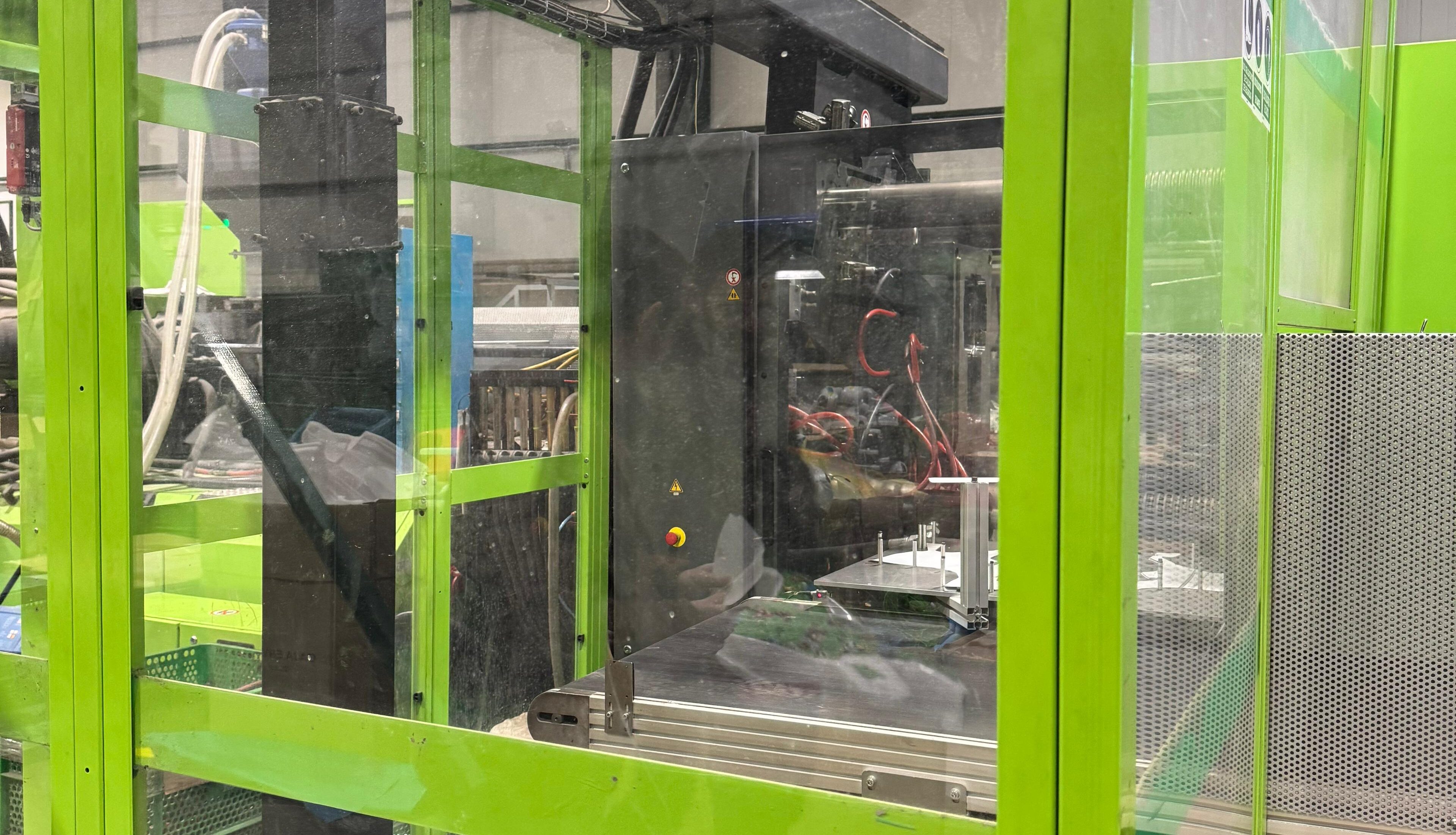
We conducted on-site visits to production facilities, enabling a deep understanding of real industrial processes and identifying key requirements for circular integration.
Delivery of key milestones
The first project deliverables have been completed and validated, ensuring alignment with the overall CIRCULOOS framework and technical roadmap.
Deployment of blockchain infrastructure
A fully functional blockchain network has been set up, enabling secure and immutable tracking of product lifecycle events. Smart contracts for material traceability are already operational in a test environment.
Initial system integration
Communication between the blockchain infrastructure and the digital platform has been successfully validated, ensuring reliable data exchange and interoperability.
These achievements mark a critical milestone: the transition from conceptual design to a working digital infrastructure capable of supporting circular manufacturing.
What Comes Next: From Development to Real Impact
With the foundations in place, the project is now entering a more advanced phase focused on integration, automation, and real-world validation.
Full system integration
The next step is to achieve seamless, bidirectional integration between all system components—blockchain, digital platform, and CIRCULOOS tools—ensuring real-time data synchronization across the value chain.
Connection to the CIRCULOOS ecosystem
We will integrate with key tools such as RAMP, GRETA, and the Supply Chain Orchestrator, enabling:
- Data analytics
- Lifecycle impact assessment
- Supply chain optimization
Automated lifecycle data capture
A major focus will be the automation of data collection, reducing manual input and enabling real-time tracking of materials and processes across the product lifecycle.
Integration of real industrial data
The platform will begin ingesting live data from manufacturing and recycling facilities (Juguetes Molto and Plasnovo), allowing us to validate the system under real operating conditions.
Pilot deployment and validation
The full solution will be deployed and tested in a real industrial environment, measuring:
- Reduction in virgin material usage
- CO₂ emissions savings
- Improvement in traceability and circularity metrics
RE-PLAY is not just a pilot—it is a blueprint for the future of circular manufacturing.
By combining digital traceability, blockchain, and lifecycle intelligence, the project demonstrates how industries can:
- Transform waste into valuable resources
- Enable transparent and trusted supply chains
- Comply with upcoming EU regulations on sustainability and digital product passports
- Unlock new business models based on circularity
Ultimately, the project contributes to a broader shift: from fragmented, opaque supply chains to connected, data-driven circular ecosystems.
Final Thoughts
The journey towards circular manufacturing is complex, but projects like RE-PLAY show that it is both achievable and economically viable. By aligning technology, industry, and sustainability goals, we are laying the groundwork for a new generation of resilient and responsible manufacturing systems.
The next phase will be decisive moving from development to measurable impact.
